History of the Thin Line Flags
It's important to note that the symbolism and meanings of these lines may vary depending on the country, culture, or context in which they are used.

It's important to note that the symbolism and meanings of these lines may vary depending on the country, culture, or context in which they are used.
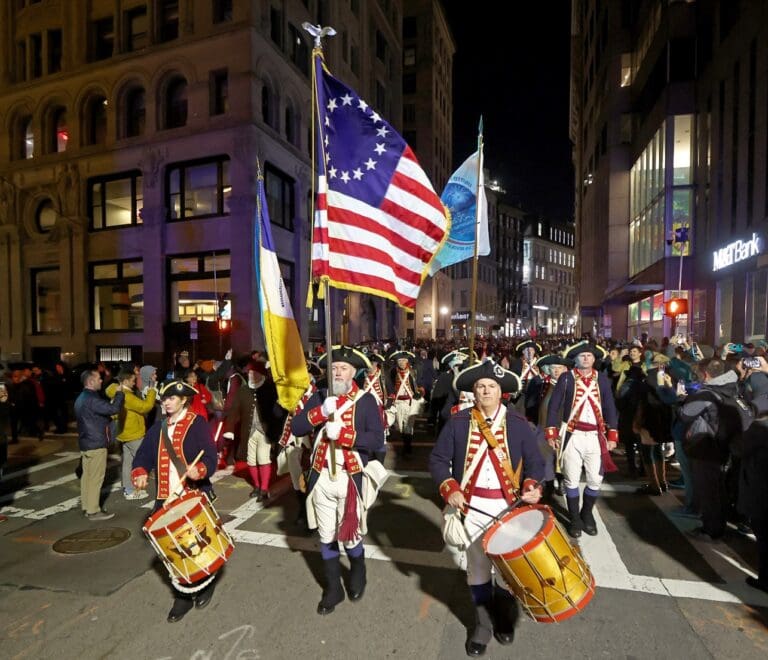
The use of flags in parades dates back centuries and has been an integral part of cultural and historical celebrations around the world. Flags have played a significant role in conveying messages, representing identity, and fostering a sense of pride and unity among nations, communities, and organizations.

As these parks are representative of the nation, it is important to display and use the country's flag in a manner that aligns with national guidelines and traditions. This article aims to provide a comprehensive guide on the proper ways to use and display flags at State and National Parks, enabling visitors to show respect for the flag while enjoying these remarkable destinations.

This article explores the significance and benefits of incorporating state and national flags in promotional materials, highlighting their ability to enhance brand equity, foster community connections, and evoke strong emotional responses among consumers.

Flags are powerful symbols representing the identity and pride of a nation. When displaying flags of foreign countries, it is important to do so with respect and in accordance with international customs. This article serves as a guide to help individuals understand when it is appropriate to display foreign flags and how to do so properly.
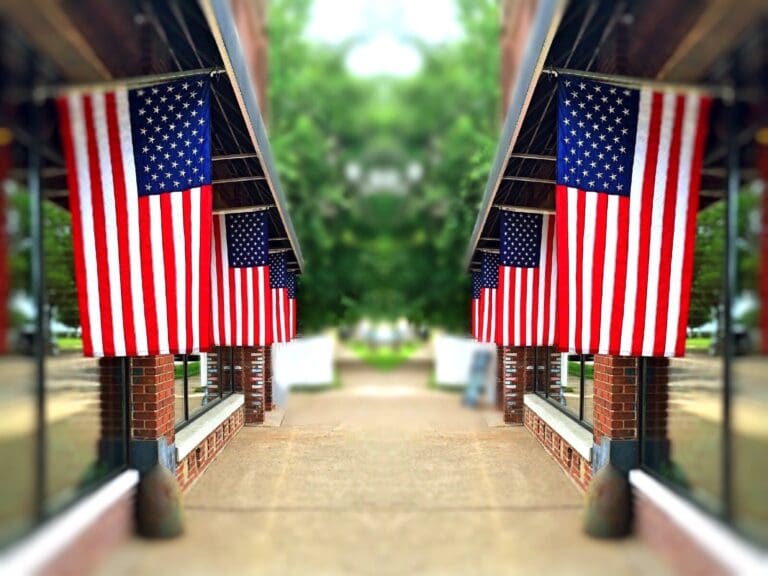
Flags are powerful symbols of patriotism, unity, and identity. Whether they are displayed indoors or outdoors, choosing the right flag size is crucial to ensure they are properly seen and respected. This article provides essential guidelines and recommendations for the appropriate flag sizes for both indoor and outdoor displays.
Flags play an essential role in symbolizing national pride, organizations, or causes. Whether they are displayed indoors or outdoors, the proper design and positioning of flags are crucial to show respect and honor.

Folding the American flag properly is a simple act, yet it carries great significance. Paying respects to the flag is a way to honor the nation and its citizens, both past and present. By adhering to the guidelines outlined in this article, you can ensure that the flag is folded with precision, respect, and in accordance with the accepted etiquette.
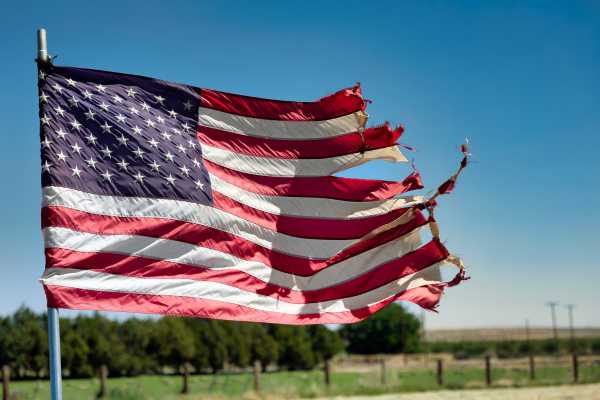
Flags are an important symbol of national pride and identity. They serve as a visual representation of a country and its values. Over time, flags can become faded, torn, or weathered due to constant exposure to the elements. This raises an important question: how frequently should flags be changed?

A Flag from the Past & Future? The flag of the U.S. state of Maine from 1901 to 1909 was the first official flag to be used to represent the state other than its militia; it was later replaced by a more standard military-style flag…
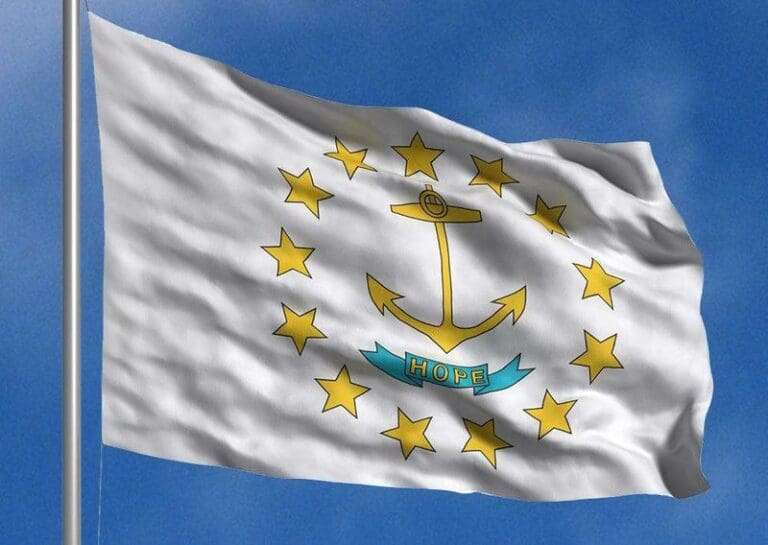
The present flag of the state of Rhode Island was formally adopted in 1897. As early as the 1640s, the anchor and "hope" were found on the Rhode Island Seal, and the seal's words and emblems were likely inspired by the biblical phrase "hope we have as an anchor of the soul,"
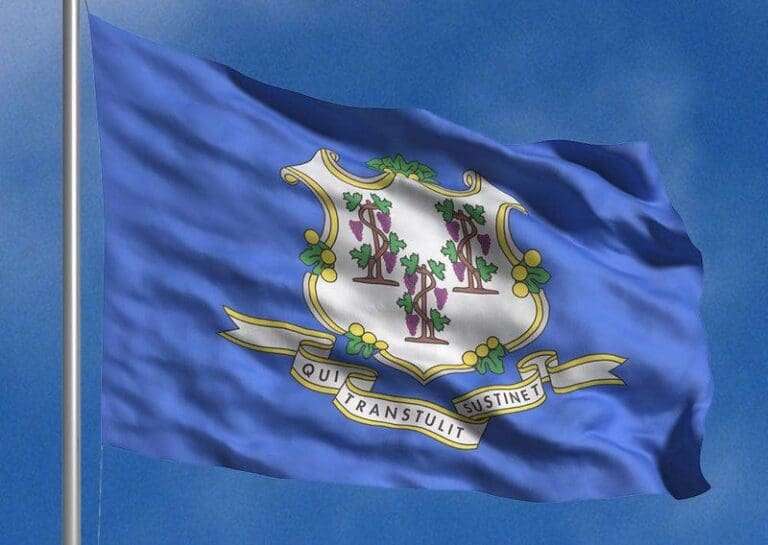
The design of the Connecticut State Flag comes from the seal of Saybrook Colony, designed by George Fenwick when it was established in 1639. That seal depicted 15 grapevines and a hand in the upper left corner with a scroll reading "Sustinet qui transtulit".
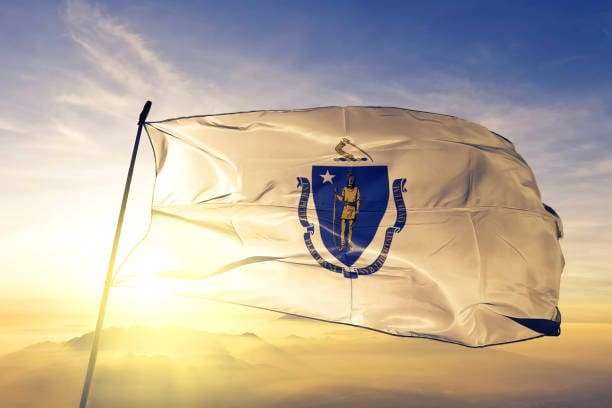
The flag of the Commonwealth of Massachusetts is the flag of Massachusetts. It has been represented by official but limited-purpose flags since 1676, though until 1908 it had no state flag per se to represent its government.

There is no extant record of a design for an official Vermont flag prior to 1804, although Ira Allen's design—common to both the Great Seal of Vermont and the coat of arms of Vermont—dates to 1778.
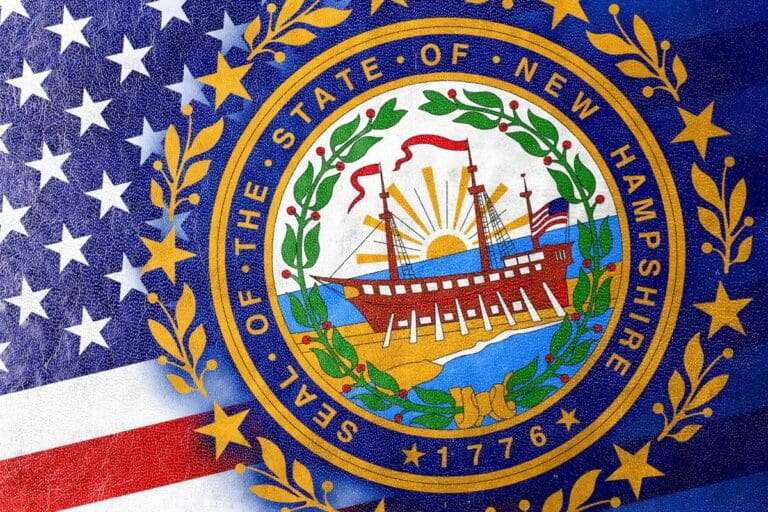
The seal of New Hampshire was adopted in 1784 following the Revolutionary War. On December 28, 1792, a regulation was adopted by the legislature that required regiments in the state militia to carry the national flag and regimental colors displaying the state seal.
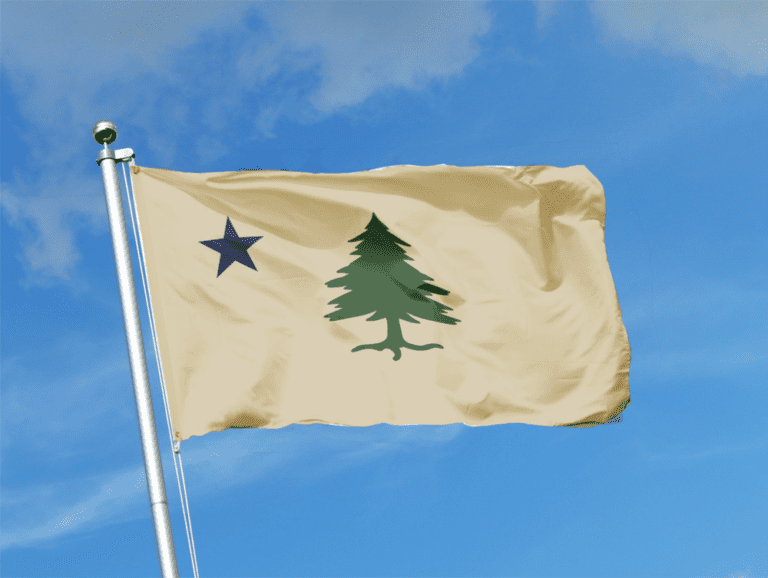
Until 1820 Maine was a district of Massachusetts, and its early symbols were based on that connection. The pine tree emblem that had been adopted for the Massachusetts naval flag in April 1776 was prominently featured in the coat of arms of Maine when it became a state.